Permanent makeup pigments: how to choose
After the European REACH 2022 regulation governing dye compositions came into force, permanent makeup artists began paying special attention to the quality and safety of the colorants they use.
Today, the best pigments for permanent makeup are not just beautiful shades, but high-tech formulas tailored to health, longevity, and color stability requirements. The answer to which pigments are best for PMU depends on many factors, namely:
-
composition;
-
particle size;
-
color behavior in the skin;
-
application technique.
To create truly natural brows, defined lips, or an ideal contour, a technician must understand formulations: organic, inorganic, mixed, and also know how each one’s specifics affect the final result.
It’s precisely this knowledge of nuances that helps you select the perfect tone from a rich palette, predict how it will behave over time, and achieve the most natural effect that highlights the client’s individuality.
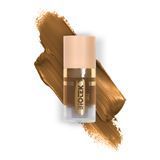
Biotek pigments
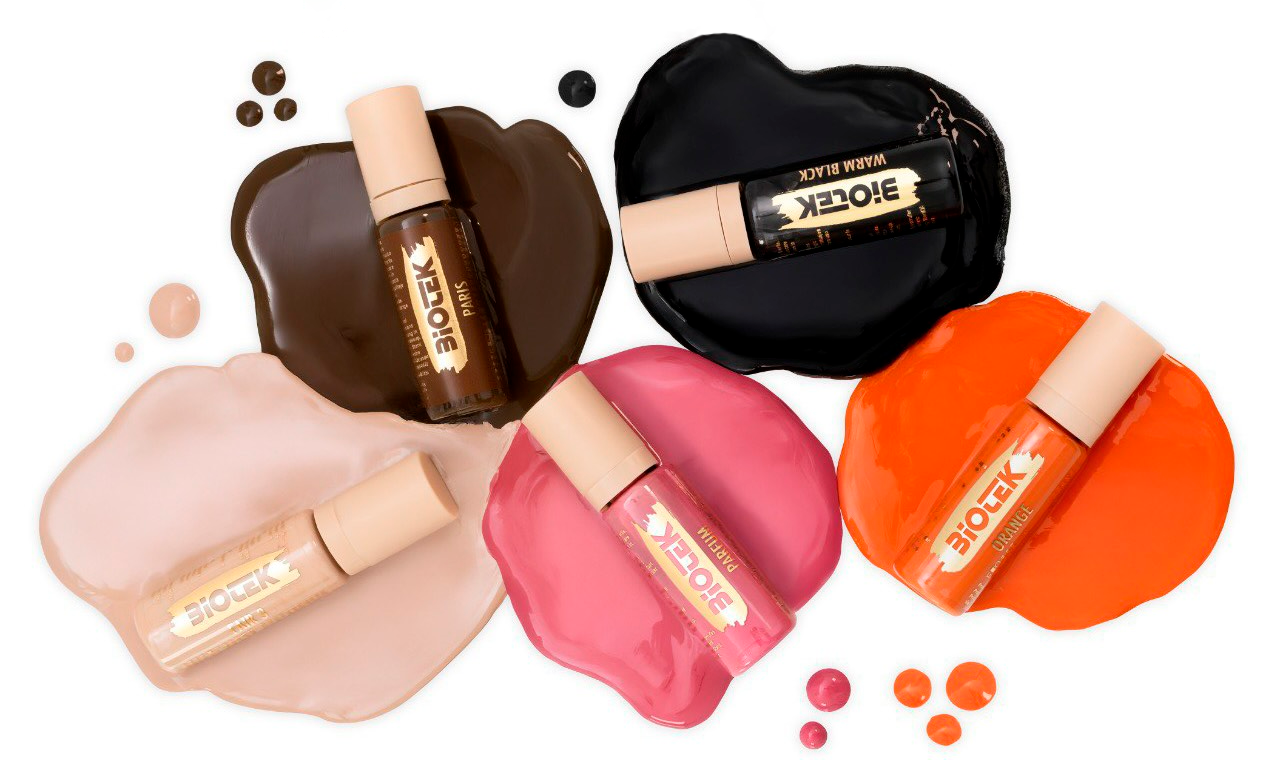
The Italian brand Biotek — one of the leaders in permanent makeup. These pigments are produced at their own factory in Milan; the manufacturer guarantees strict quality control and full compliance with European REACH standards. Biotek actively collaborates with dermatologists, so their formulas are safe and physiologically compatible with the skin.
Biotek’s main advantage is color purity and high longevity without fading. Even years later, the pigment doesn’t shift to gray or reddish undertones, but lightens evenly while maintaining a natural shade.
Biotek formulas are organic and mineral, often mixed, which allows the artist to adjust saturation and transparency depending on the technique:
-
powder shading;
-
hair-stroke;
-
watercolor shading.
The texture is pleasant, picks up easily on the needle, and doesn’t clog the cartridge, making work comfortable even at low machine speed.
Biotek rightfully ranks among the top pigments for permanent makeup and is considered one of the brands creating the very best pigments for longevity and a natural-looking result.
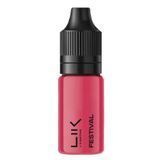
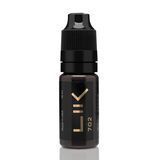
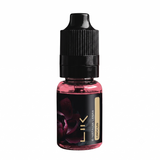
LIK pigments
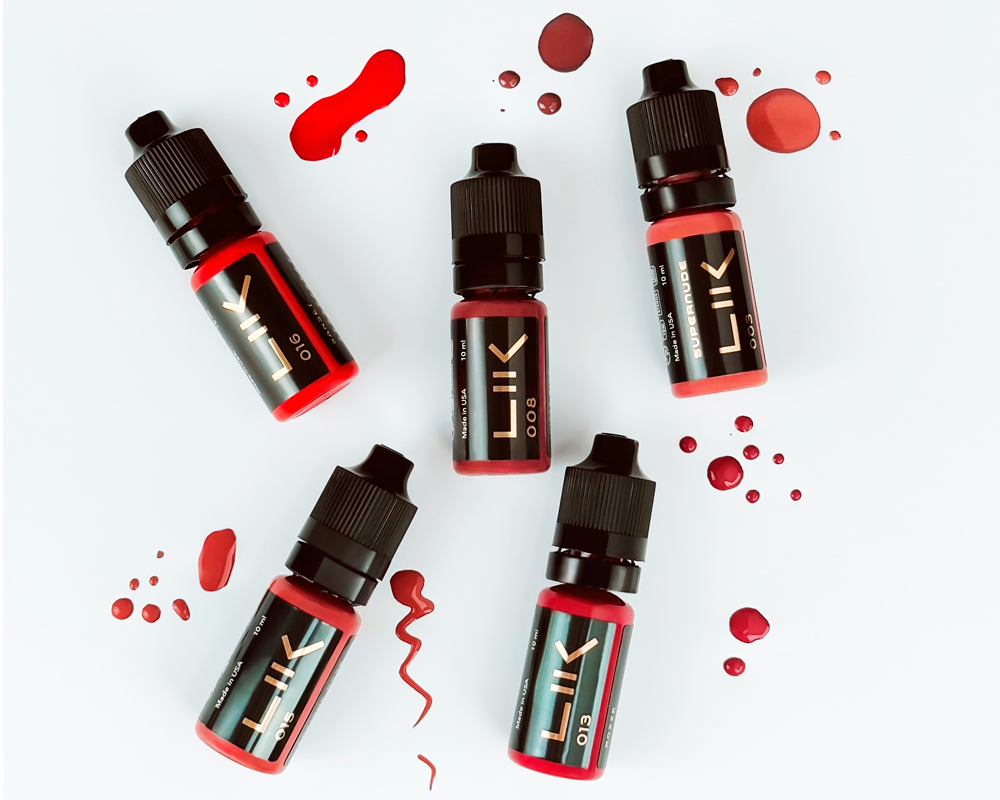
The American brand LIK — an example of a technological approach to pigmentology. The colorants are developed with the skin’s biochemistry and post-procedure regeneration in mind. The formulas are hybrid, with an optimal balance of organic and inorganic components, thanks to which they lay down perfectly and diffuse evenly in the dermis.
LIK is known for its velvety texture and natural colors that adapt to the client’s skin tone. They’re especially valued in the «soft shading» technique — gentle blending without hard edges.
The pigments do not migrate and heal quickly, which makes them an excellent choice for sensitive skin.
The brand offers a wide palette for lips and brows, including nude, berry, and warm beige-pink tones. LIK is often mentioned when people ask which pigments are best for PMU, as they let the artist accurately predict healing results and retain the natural translucency of color. This makes them some of the best pigments for permanent lip makeup — soft, long-lasting, and visually «premium» in effect.
Sweet Lips pigments
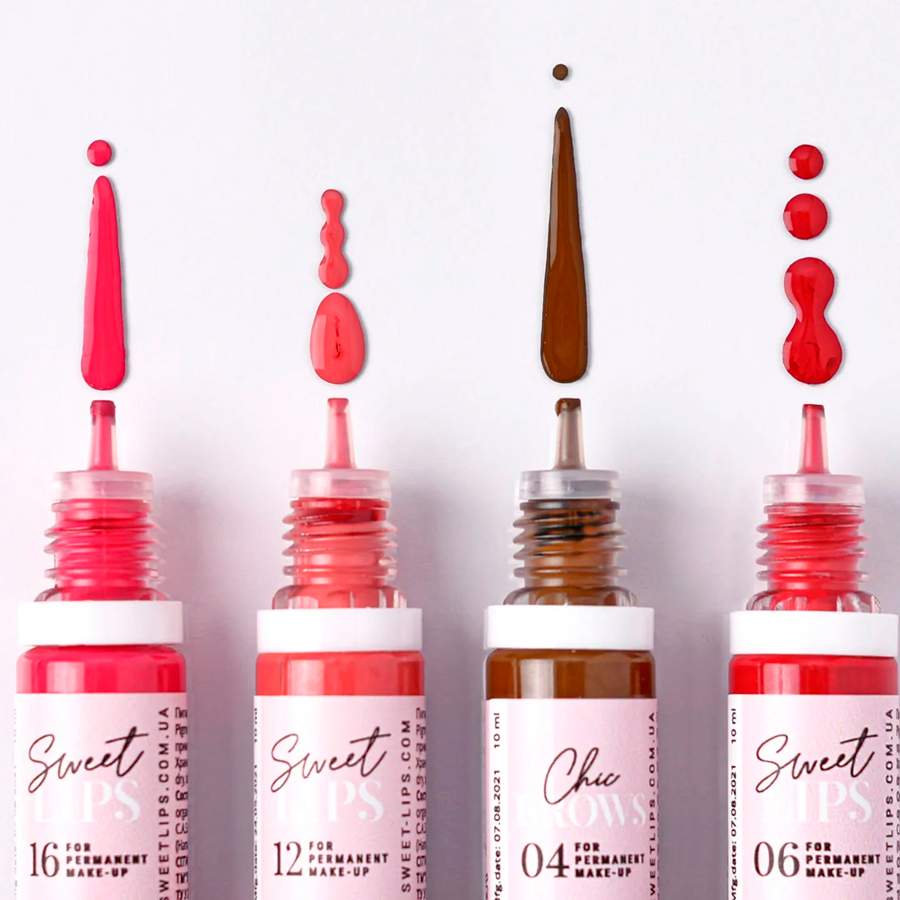
The Sweet Lips brand was developed by a pro artist and launched in 2017 in Ukraine. The line includes pigments for lips, brows, and eyelids. Thanks to the wide palette, the question of how to choose a color for permanent lip makeup and other prominent areas usually stops being an issue, since Sweet Lips products handle any task.
Sweet Lips formulas are based on mineral and hybrid bases (organics + inorganics), which deliver stable color and a high retention rate after healing.
Brand features:
-
Certified in Ukraine and compliant with European safety standards.
-
Over 70% of the pigment remains in the skin after healing with proper technique.
-
Formulas are designed for predictable color behavior — reducing the risk of «off» undertones after healing.
-
The color palette for permanent lip makeup is constantly updated with new shades following trends and client/artist requests.
Recommended for:
-
Artists working with natural brow techniques («Chic Brows» series) — the series includes shades specifically for brows, including color boosters for brunettes (for example, numbers 5 and 6).
-
Lip procedures where soft shading and a neat, non-aggressive color are important.
-
Clients with sensitive skin, since the brand emphasizes hypoallergenicity and safety.
If you’re wondering how to choose a color for permanent lip makeup, pay attention to Sweet Lips in particular — they apply predictably, blend easily, and give the lips a natural volume.
Perma Blend pigments
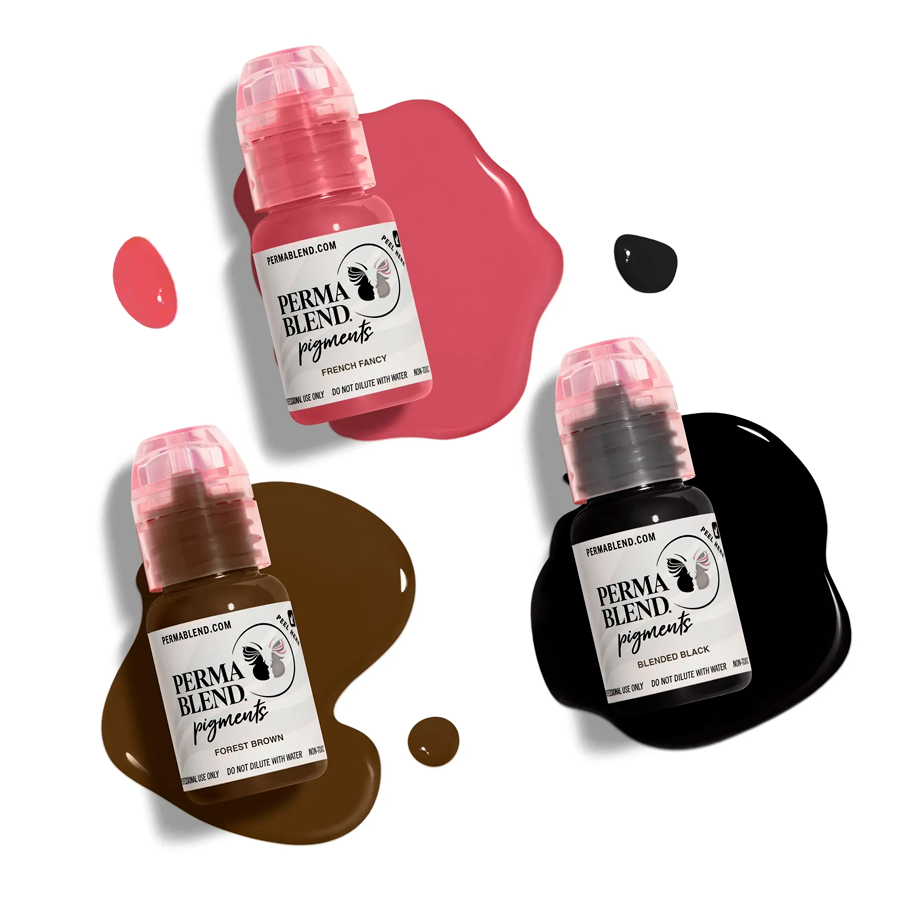
Perma Blend — an American brand well known to artists worldwide. The products are FDA and REACH certified, have a stable formula and a high percentage of pure pigment, so the color remains saturated even after healing.
Perma Blend offers professionals one of the most extensive palettes on the market: from cool graphite to warm golden-brown shades for brows, and from natural beiges to bright berry tones for lips. With such variety, an artist can precisely match tones to any appearance and technique.
The pigments are characterized by high concentration and predictable results: on the skin, the artist sees almost the same color that will appear after healing.
It’s no coincidence this brand is named when people look for which pigment is best for PMU — it delivers dense, clean fills, doesn’t separate, and is suitable even for oily skin.
The Mineral pigments
The Mineral — a next-generation brand based on mineralized pigments without synthetic dyes. A find for those seeking hypoallergenic, eco-friendly formulas. The particles undergo multi-stage purification, eliminating toxic impurities and ensuring excellent skin compatibility.
The Mineral is ideal for sensitive skin and allergy-prone clients, heals quickly, and provides a soft, natural color. The shades are neutral and balanced — without excessive warmth or grayness.
These pigments are often chosen by artists working in natural techniques and are included among the best pigments for permanent eyebrow makeup, as they allow you to achieve a perfectly delicate, «clean» result without overlays and corrections.

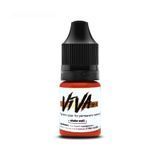
Viva pigments
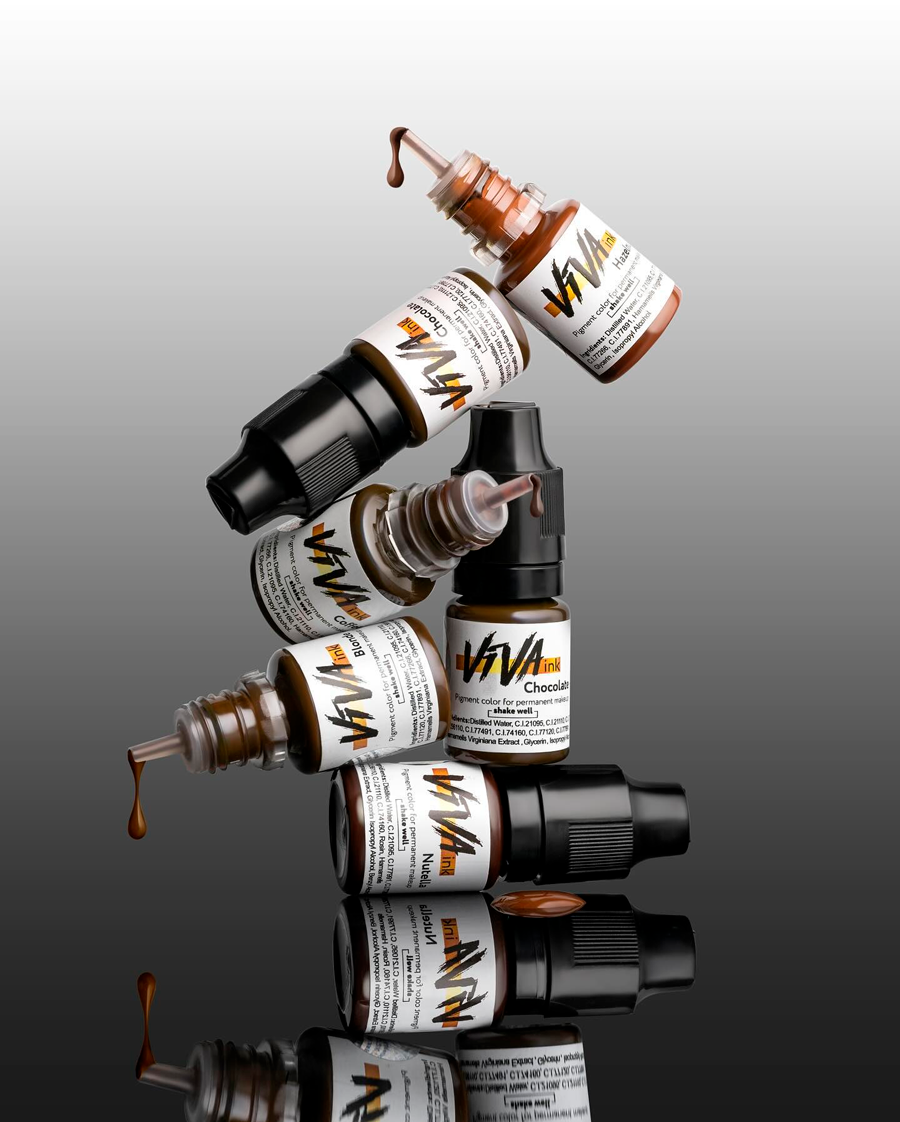
The Viva brand was created by technologists specifically for stable results and saturated color. The formula is based on micro-dispersed pigments with good adhesion, so the color doesn’t settle or spread.
Viva’s advantage is fast healing and high coverage. This makes them convenient for covering old work, including gray or purple undertones. The palette includes soft nude and rich wine tones for lips, as well as a wide selection of brown shades for brows.
Artists note that Viva offers the best pigments for permanent makeup when speed, color predictability, and high fill density matter.
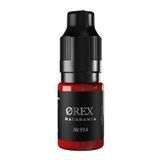
Orex pigments
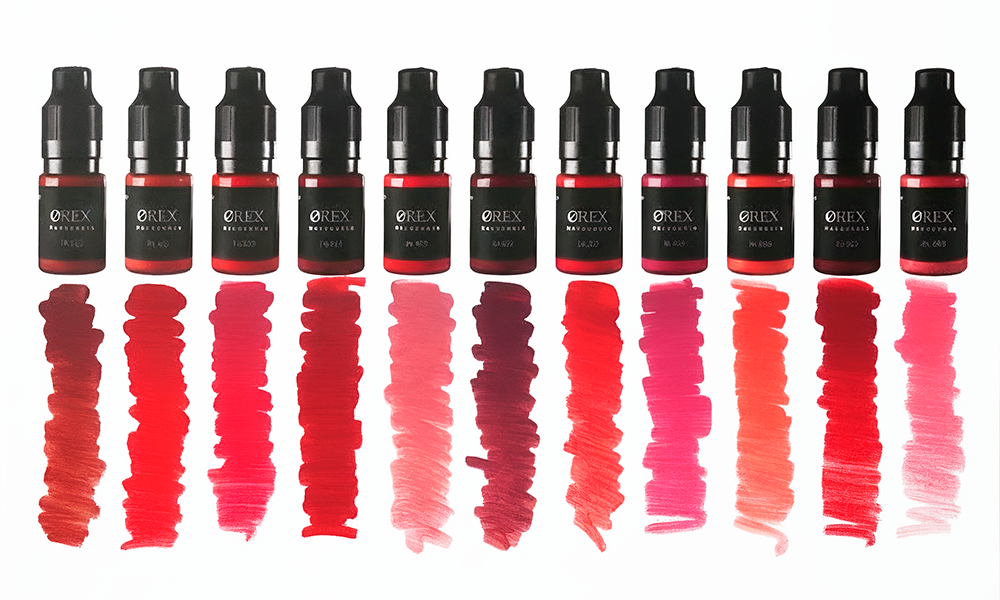
Orex — another Ukrainian brand gaining popularity among artists thanks to stable consistency and saturated shades. At its core are innovative pigment particles resistant to ultraviolet and the skin’s metabolic processes.
Orex’s main advantage is versatility: they suit both classic shading and fine lines in hair-stroke techniques. The colors don’t shift into undesirable tones, don’t dull, and don’t change undertone during healing.
Artists working with Orex note that these pigments are among the very best for permanent makeup, especially when working with different skin types and techniques where clean, controlled color rendering is required.
How to choose a pigment for PMU?
Even the best pigments for permanent makeup won’t deliver a natural and long-lasting effect if you ignore the client’s individual features and technical nuances.
The first thing to consider — the client’s skin tone. Which pigment is best in each particular case? For fair skin, cooler and softer shades are suitable; for warm skin — saturated, golden, and peach tones. It’s important to remember: skin can slightly change undertone over time, especially after tanning, so the chosen color should be neutral to such changes.
Skin type is no less important. Oily skin expels pigment faster, so choose denser, more saturated colorants for it, while dry skin needs softer, more fluid pigments so they apply evenly and don’t create patches.
The third aspect — the permanent makeup technique. Pigment density and method of implantation depend on whether you are doing shading, hair-stroke, powdering, or microblading. For hair-stroke techniques, for example, it’s better to use fine-dispersed, semi-transparent pigments so the strokes look natural.
It’s precisely the combination of these factors with a correctly selected pigment that ensures ideal healing and color longevity.
Beyond the obvious pigment choice, the result is influenced by factors tied to the specialist’s skill and the equipment’s technical parameters:
-
Skin density and structure. On thin, sensitive skin, guide the needle especially carefully to avoid irritation and achieve even pigment distribution. Denser, more elastic skin, by contrast, requires slightly more pressure and precise control so the color lays evenly and doesn’t «drop» too deep into the dermis.
-
Machine power. Needle impact should match the pigment type and implantation depth. Insufficient power leads to uneven color placement, while excessive power can traumatize the skin and cause pigment spread.
-
Artist’s hand pressure. Too much pressure makes strokes rough and uneven, while too little reduces color saturation. An experienced artist feels the balance, adapting to skin sensitivity and client response.
-
Needle frequency. This parameter directly affects fill density and color uniformity. With the right frequency, pigment distributes smoothly and evenly; if it’s off balance — you get «gaps» or areas of varying intensity.
-
Work speed. Too fast a technique doesn’t allow the pigment to set, while excessively slow work can cause unnecessary trauma. The ideal pace ensures a clean, neat trace and even healing.
-
Skin tension. Proper tension ensures stable, even needle movement, especially in hair-stroke techniques where each line must remain crisp and thin.
-
Number of needles in the module. A single needle is used for detailed, precision work, while a cluster (a module with multiple needles) is for faster filling of larger areas. The choice depends on the technique and desired color intensity.
Pigment storage affects the result
Pigment shelf life is a critically important parameter. Even if a colorant looks unchanged, its chemical structure may be compromised after expiry. Using an expired product can lead to unpredictable results, shade changes, and accelerated fading. The artist is responsible not only for aesthetics, but also for the client’s health.
Storage conditions also play a major role. Pigments must be kept in closed containers or cabinets protected from direct sunlight, dust, and moisture. There should be no extra items on the work table to avoid accidental contamination or dropping a bottle.
It’s important to prepare the pigment in the exact volume needed for a given procedure. If you need to add more color during work, you must change gloves and maintain hygiene to avoid cross-contamination.
Monitor the condition of bottles: caps must close tightly, with no cracks or chips. If a pigment has thickened or slightly dried, there are special thinners and regenerators, but they should be used only after training and following the manufacturer’s recommendations.