




|
Quantity
|
Out of stock
|
||
|
|
|||
Expressive underlined eyebrow lines are a must in modern make-up. But the daily ritual of applying and removing makeup is pretty damn tiring. Therefore, women willingly color them with persistent products, such as eyebrow dye. You can buy them of various types and shades. However, such a variety is not at all a reason to use the first version of such a dye that comes across. After all, the rash use of dyes can not only spoil the appearance of the eyebrows but also lead to more serious complications.
How to choose and where to buy eyebrow dye?
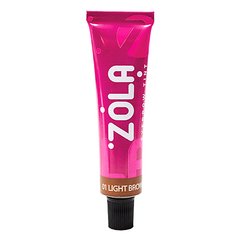
The eyebrows of a few people have a perfect shape and color. Therefore, all girls are constantly striving to improve this action. One of the main means for such a transformation is eyebrow tint. You can buy it in Odesa, Kyiv, Lviv, and other cities of the country in the catalog of our Beauty Hunter online store.
Brand quality dye guarantees
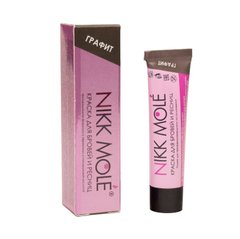
We offer products from the best manufacturers of this material, including Brow Henna, CC Brow, Okis, RefectoCil, Schwarzkopf, LeviSsime, Nikk Mole, and other world-famous brands. They guarantee the highest quality of their products. And since we have exclusively branded products, this serves as additional protection against counterfeit and low-quality products. Therefore, we have a constantly growing number of people who want to order such goods as eyebrow tints with delivery to different parts of the country.
Our range of brow tints
In our store, dyes of different types and shades are chosen, for professionals and for use at home. In the first case, it is a more resistant material that experienced craftsmen can easily handle. But it is also a more aggressive color option. At the same time, conventional coloring agents are much more delicate, although in real conditions they will last much less. By the way, the prices for such eyebrow tints in our store are much lower than the market average. And if goods are ordered in the amount of a thousand hryvnias or more, then there is a bonus of free delivery through Nova Poshta throughout the country. Therefore, our offers are so in demand among our fashionistas of all ages and statuses.
Rules for a successful choice of tint
The choice of eyebrow dye should be made according to a variety of criteria. The first of these is the consistency - powder, gel, or paste. The second option is more economical and easy to use. The composition of the eyebrow dye is important. You can order in our store an option with the most natural composition, which includes healthy oils, vitamins, and minerals. So, castor oil helps to strengthen eyebrow hairs. An obligatory moment is the expiration date of the pigment. Safety and suitability for use are confirmed by certificates of compliance with international standards. You can make sure that you are not allergic to the components of the dye and that it suits you in color using a test method. To do this, the dye must be applied to the forearm 1-2 days before the planned eyebrow coloring. If there are no unpleasant consequences, then it can be used for its intended purpose.
Features of the choice of dye color
The dye should match your color. It is chosen not only according to personal preferences but also according to its color type. After dyeing the eyebrows, you should get a color that is only one tone or two darker than the hair. In relation to the eyelashes, they should be a little lighter. Besides:
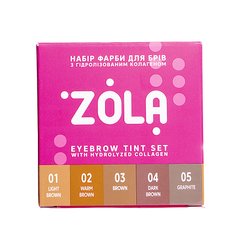
- For brunettes, a black eyebrow tint is suitable. The catalog of our store contains black in different shades, which can be chosen according to the features of the girl's appearance;
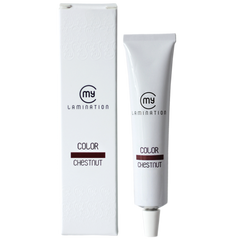
- For brown-haired women and red-haired girls, it is advisable to choose a coloring agent of a brown tint, which is slightly darker than the hair. And for blondes, a light brown, but not a red tone is suitable;
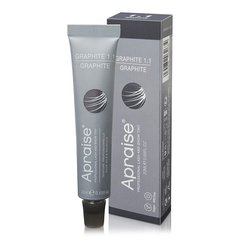
- For gray-haired women, a graphite shade is recommended, the saturation of which corresponds to the color type. And too black will emphasize the features of the appearance and will look unnatural.
The Beauty Hunter online store offers different delivery worldwide.